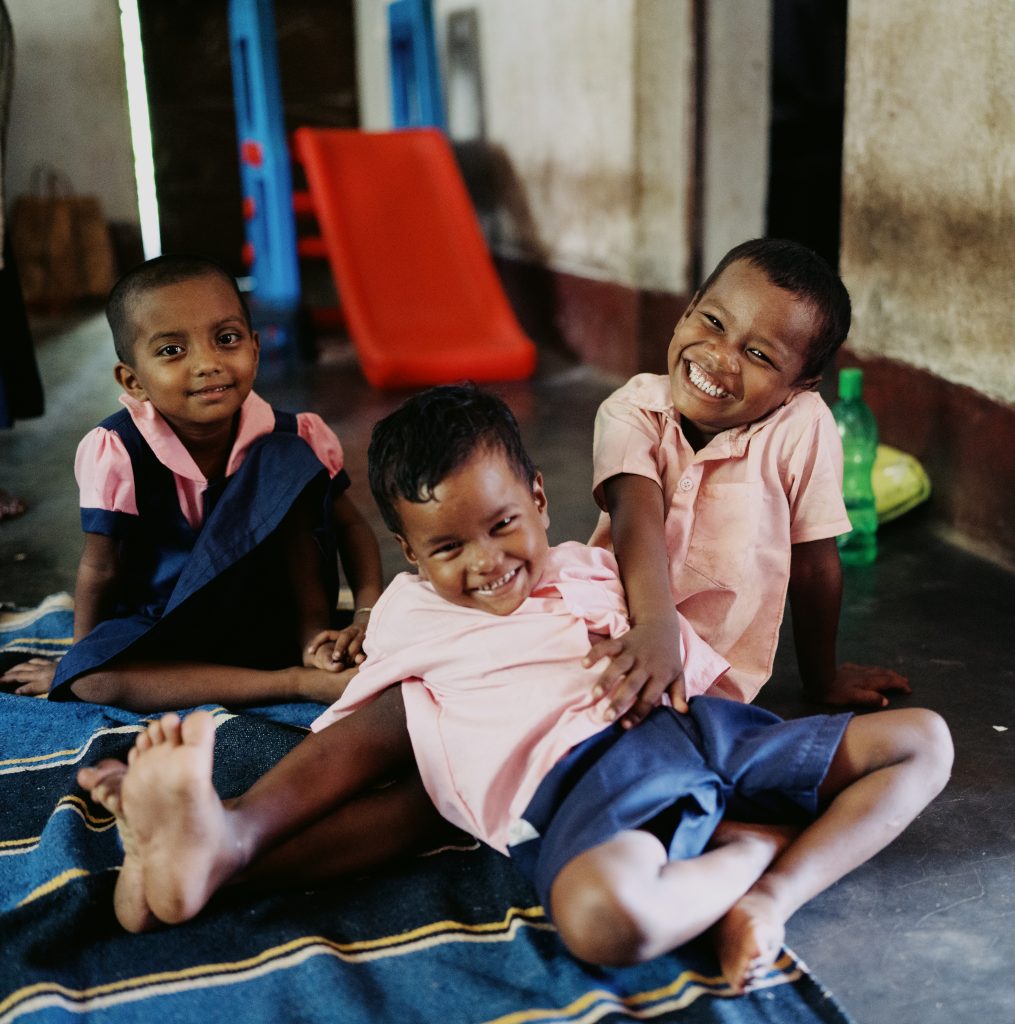
Understanding Children's Progress Through the Foundational Stage of Schooling
This mixed-methods longitudinal study examines how young children move through the foundational stage of education in three states implementing different institutional models for this stage of education. In each selected geography, the study explores three broad areas: the nature of provisioning for early childhood education; the pedagogical processes children are exposed to both at home and in ECE institutions; and children’s pathways over time through these institutions and their impact on participation and learning outcomes.
Specifically, the study seeks to answer the following questions:
- How do four-year-olds in different locations of the country progress through early years education, in terms of both enrolment and learning outcomes?
- What are the institutional arrangements that scaffold these trajectories, in terms of setting, staffing, and availability of materials?
- What kinds of teaching-learning environments and interactions are children exposed to as they progress through pre-primary and early primary grades, and how do these compare across different institutional models?
- How do parents and communities, particularly mothers as primary caregivers, understand and act to support the learning needs of young children?
- In what ways do institutions and families interact to support young children’s development, and how do these mechanisms vary across institutional models?
Duration: 2026–30
Location: 2 districts each in Odisha, Himachal Pradesh, and Uttar Pradesh
Funder: Echidna Giving